


Six Sigma Training
Six sigma and it's impact on professional work field
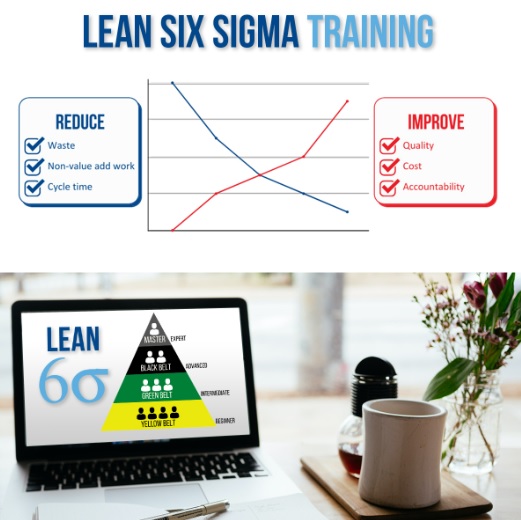
- Six Sigma is a set of tools and techniques used by organizations for process improvement and quality
- Aims to reduce variability and defects for improved efficiency and customer satisfaction
- Professionals trained in Six Sigma can lead process improvement initiatives and analyze data
- By using statistical tools, they can identify inefficiencies and make data-driven decisions for improvement
- Implementation of Six Sigma leads to increased productivity, reduced costs, and enhanced customer satisfaction
- Trained professionals are valuable assets to organizations, able to lead improvement initiatives and drive results
- Six Sigma equips professionals with skills to drive process improvement, reduce defects, and achieve near-perfect quality and performance in their organizations.
Six Sigma training is beneficial for various professionals across industries. Here's a breakdown:
By Role
1. Quality Managers: Enhance quality control and process improvement skills.
2. Operations Managers: Optimize processes, reduce waste, and improve efficiency.
3. Project Managers: Develop skills in project planning, execution, and control.
4. Process Improvement Specialists: Enhance analytical and problem-solving skills.
5. Team Leaders/Supervisors: Develop leadership and team management skills.
6. Engineers: Improve problem-solving, analytical, and technical skills.
7. Manufacturing/Production Professionals: Enhance quality control and process optimization.
8. Supply Chain Professionals: Improve logistics, procurement, and distribution processes.


By Industry:
- Manufacturing: Automotive, Aerospace, Pharmaceuticals, Food Processing.
- Healthcare: Hospitals, Medical Devices, Pharmaceutical companies.
- Finance: Banking, Insurance, Financial Services.
- Services: IT, Telecom, Hospitality, Education.
- Government: Public Administration, Defense.
By Level:
- Entry-level professionals: Seeking foundational knowledge in quality management.
- Mid-level professionals: Looking to enhance skills and advance careers.
- Senior professionals: Seeking advanced knowledge and certification.
- Leaders/Executives: Focusing on strategic quality management and organizational improvement.
Specific Job Titles:
- Quality Engineer.
- Process Improvement Specialist.
- Operations Manager.
- Supply Chain Manager.
- Lean Manager.
- Continuous Improvement Manager.
- Business Analyst.
- Project Manager.
Prerequisites:
- Basic math skills.
- Understanding of statistical concepts.
- Familiarity with process improvement methodologies (optional).
- Relevant work experience (varies by certification level).

Certification Levels:
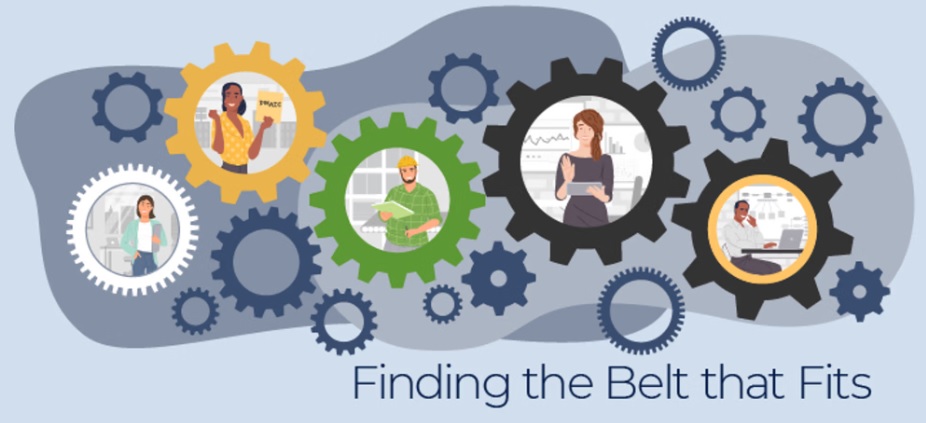
- White Belt: Basic knowledge (no prerequisites).
- Yellow Belt: Participation in improvement projects (basic knowledge).
- Green Belt: Lead small-scale projects (1-2 years' experience).
- Black Belt: Lead complex projects (2-5 years' experience).
- Master Black Belt: Expert-level certification (5+ years' experience).